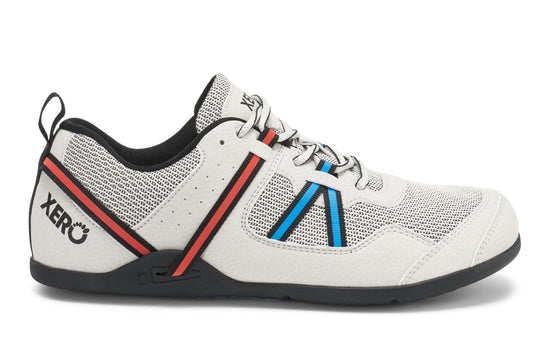
A Complete Guide to Barefoot Shoes
Understanding Barefoot Shoes
Described frequently as minimalist footwear, barefoot shoes emphasize a natural feel when walking or running, resembling the actual experience of being without shoes.
Equipped with a thin sole, minimal padding, and a flexible design, these shoes help create a true connection with the ground.
Barefoot running shoes primarily function to facilitate effective muscle engagement in the foot, which aids in developing a more efficient running form.
As more consumers recognize the possible benefits of barefoot shoes—including improved foot strength and posture—the popularity of minimalist footwear is rising, drawing the attention of both athletes and everyday wearers.
Barefoot shoes are becoming increasingly popular, representing a departure from conventional footwear that typically includes too much padding and structural support.
According to research, conventional footwear can lead to weakness in the feet and detrimental effects on biomechanics over prolonged use.
In comparison, barefoot shoes foster a natural walking motion and improve stability while also strengthening the foot's core muscles.
The movement has been embraced by brands like Vibram, Merrell, and Xero Shoes, which offer different styles for numerous activities, including running and everyday use.
Furthermore, these shoes are made with lightweight and breathable materials that offer comfort while maintaining high performance.
Those interested in moving to barefoot shoes should focus on gradual adaptation.
You should start with short intervals of barefoot running shoe usage in your daily life to let your feet get used to less cushioning.
Starting with gentle exercises to strengthen your feet and ankles, like toe curls and calf raises, is recommended.
Eventually, you can extend the time and intensity of your barefoot shoe use, supporting a more instinctive walking manner.
If you comprehend the essential principles of barefoot footwear and approach your transition with care, you can gain the benefits of a more tuned-in and healthier approach to movement.
Positive Aspects of Foot-Friendly Shoes
Minimalist shoes aim to reflect the comfort of being barefoot yet also giving essential protection. One of the main perks of wearing barefoot shoes involves the enhancement in the power of the foot. Traditional footwear often hinders natural foot movement, which can lead to weakened muscles over time. Unlike traditional footwear, barefoot shoes foster the use of foot's natural muscles, thereby assisting them to strengthen and enhance performance. As an illustration, a runner who moves to barefoot shoes may detect enhanced stability and agility as a result of the elevated use of these muscles, leading to improved grip and balance in numerous activities.
Also, barefoot shoes play a role in enhancing posture, which is fundamental for overall body alignment and health.
The use of raised heel conventional shoes may disrupt a person's standing posture and misalign the spine.
Thanks to their flat design, barefoot shoes help cultivate a more natural walking and running movement.
An example of this can be seen in athletes who incorporate barefoot shoes into their training regimens.
They often experience a reduction in lower back pain and an improvement in overall body alignment.
This, in turn, boosts their athletic performance.
Moreover, barefoot shoes help with reducing the risk of injuries. Numerous frequent running injuries, like plantar fasciitis and tibial stress syndrome, stem from poor footwear choices. Minimalist shoes foster a forefoot contact rather than a heel strike, reducing the impact load on joints. Switching slowly to barefoot footwear enables the body to adapt, helping reduce the threat of injury. A realistic method would be begin with brief runs or strolls in these shoes and gradually increase duration and intensity in line with how comfortable you feel. This strategy assists in preparing the body ensuring maximum the benefits of injury prevention.
Ultimately, the feedback from the ground received through barefoot shoes stands out as a key advantage. These thin soles enable users to feel the surface below them, enhancing their proprioception, which is the awareness of body position and movement. This sense of awareness supports a more natural understanding of balance and where to place the feet, which can greatly benefit athletes and fitness fans. People new to barefoot footwear might find that beginning with practices like yoga or walking helps to maximize this sensory experience, thus supporting better coordination and performance in athletic endeavors. Embracing barefoot shoes in your lifestyle can offer numerous health benefits that surpass just improving foot health.
Types of Barefoot Shoes
Many people are now choosing barefoot shoes for a more organic experience while running or walking.
There are several types of barefoot shoes tailored to distinct activities and individual needs, enabling consumers to find a suitable fit for their lifestyle.
Among them, barefoot running shoes are made to resemble the sensation of running without footwear while ensuring the safety of the feet.
Often, these types of shoes incorporate a low heel-to-toe elevation, encouraging a natural stride and facilitating forefoot or midfoot landing.
Popular choices like the Vibram FiveFingers and Merrell Vapor Glove represent minimalist running shoes that prioritize lightweight materials and flexibility to boost proprioception.
Addressing outdoor lovers, barefoot hiking shoes incorporate specific features that meet the demands of various terrains while staying true to the core principles of barefoot footwear.
The design includes sturdy outsoles that ensure excellent grip and flexibility required for trails or rocky pathways.
In addition, the materials employed are commonly water-resistant or breathable, making them suitable for fluctuating weather.
Models including the Xero Shoes TerraFlex and Vivobarefoot Primus Trail are highly recommended because they supply required support for long-distance hikes while allowing natural movement of the foot.
While picking barefoot hiking shoes, remember to consider factors such as fit, weather conditions, and the type of trails you will hike on for a better experience.
Casual barefoot footwear utilize a simple design suitable for everyday wear, merging aesthetic with convenience. These shoes usually feature an elegant design and are not heavy, thus making them appropriate for different situations. Brands like VivoBarefoot as well as Wildling Shoes provide choices which encourage the health of your feet and cater to those who are fashion-forward. One key feature of barefoot casual shoes includes the wide toe box they have, allowing the toes to splay naturally. While picking these types of shoes, look for flexibility, materials that breathe, and a flexible footbed that can accommodate everyday activities without sacrificing ease and aesthetic.
Lastly, barefoot work shoes are designed to merge the principles of minimalism with necessary safety features for workplace environments. These types of shoes prioritize comfort, making them suitable for long durations of wear, while also guaranteeing slip resistance and longevity. Shoes like the Lems Mesa and Argis Lite are excellent examples, delivering essential features like zero drop and a light construction. In the process of choosing barefoot work shoes, consider the distinct demands of your job, including potential hazards, and ensure compliance with any required safety standards. By evaluating these elements, you can enjoy the perks of barefoot shoes while remaining comfortable and protected in your workplace.
How to Choose the Right Barefoot Shoes
When choosing barefoot shoes, it is important to understand your foot type, activity level, and your personal preferences.
The first step is to assess your foot type; identifying if you have a high arch, flat feet, or a neutral arch is important.
For instance, if you have high arches, you might need extra cushioning and support, whereas if you have flat feet, a more stable design providing mild arch support might be suitable.
It is a good idea to visit a local shop that specializes in minimalist footwear since the staff can help analyze your gait and foot structure.
Such analysis is essential to guarantee that the shoes you pick fit your anatomical needs, maximizing both comfort and performance.
Next, take a look at your activity level. If you're athletic or have a fondness for outdoor activities like hiking or trail running, consider barefoot shoes made for these specific activities. For example, brands such as VivoBarefoot and Merrell have designs that boast additional traction and durability suitable for harsh terrains. In contrast, if your activities lean more towards casual, such as walking and light jogging, a simpler shoe with a flexible sole may be just what you need. While selecting shoes, ensure you closely examine their sole thickness, flexibility, and weight because these aspects significantly affect performance and user experience. Your decision should reflect how you expect to use the shoes in your everyday activities.
When it comes to barefoot shoe selection, individual preference is crucial. It’s important to select footwear that you find appealing as style, color, and materials can greatly affect your satisfaction. If you have a preference for natural materials, search for shoes that are made from leather or organic cotton. If being eco-friendly is crucial to you, consider brands that are committed to sustainable practices. It's crucial to test shoes for comfort; make sure to stroll around the store and mimic the activities you will engage in while wearing them. Pay attention to any pressure points or discomfort that may arise, as this can help you identify the best fit and style for your feet.
Eventually, integrating all these components—foot type, level of activity, and personal preferences— will lead to a clearer choice regarding selecting barefoot shoes. You might want to keep track of the information gathered from your visits to shops or online exploration to record the brands that suit your needs. Also, joining online forums or communities that center around minimalist shoes can give you perspectives and reviews from other enthusiasts. These communities frequently talk about their own experiences, supporting you in fine-tuning your selections. Noticing these factors enhances your journey towards finding the perfect pair of barefoot shoes that accommodate your way of life.
Leading Barefoot Shoes of 2025
The year 2025 brings a compelling selection of barefoot shoes that cater to the ever-growing demand for minimalist footwear, perfect for those who prioritize both comfort and functionality.
In the lineup of best barefoot shoes for 2025, the Vivobarefoot Primus Lite III is particularly distinguished by its featherlight design and superb flexibility.
This model is crafted for daily use as well as sports, boasting a breathable mesh upper and a specialized sole that facilitates natural foot movement.
Those who have tried it claim that it offers a barefoot feel while maintaining adequate grip and protection, making it an excellent fit for both runners and casual wearers.
Another appealing aspect is its eco-friendliness, as it incorporates recycled elements in its construction, catering to eco-aware consumers.
Another top contender in the minimalist shoes 2025 category is the Merrell Vapor Glove 4.This model gives a snug fit that enhances stability, which is great for trail running and other outdoor adventures.The shoe features an outsole that is crafted for superior traction, ensuring that you stay grounded on different surfaces. The distinguishing feature of the Vapor Glove 4 is its zero-drop platform, promoting a natural stride,especially helpful for those transitioning to barefoot running. Its lightweight nature and minimalistic design are perfect for those who appreciate agility and responsiveness in their footwear, enhancing performance without compromising comfort. For those in search of shoes for outdoor activities, the Merrell Vapor Glove 4 is a top choice.
When it comes to versatile footwear, the Xero Shoes Prio is a great choice. This particular model strikes an impressive balance between protection and comfort, facilitating free movement for your feet. Thanks to its flexible sole and adjustable fit, the Prio is ideal for a wide range of activities, including hiking and gym workouts. A key feature is its robust construction, crafted to endure harsh conditions while preserving a barefoot-like sensation. Users have mentioned how the shoe helps foot health by promoting correct biomechanics and reducing injury risks. For those in search of a versatile shoe that aligns with minimalist principles, the Xero Shoes Prio is a worthy option.
To wrap things up, the Altra Escalante Racer finishes our lineup of the leading barefoot shoes in 2025. Although it leans slightly towards a more cushioned profile, it maintains the necessary features of a minimalist shoe. The Escalante Racer offers a spacious toe box and a lightweight design, striking a balance between comfort and natural foot movement. Runners who value a touch more cushioning, yet want to stay faithful to the barefoot feel, particularly like this shoe. Its combination of responsiveness and lightweight agility makes it an appealing option for those looking to enhance their running experience without losing the benefits of barefoot technology. Selecting from these premier barefoot shoes promises an excellent combination of performance and foot wellness in 2025.
Questions That Are Frequently Asked
Barefoot shoes are unique footwear crafted to simulate the experience of walking or jogging barefoot.|They are characterized by low cushioning, a spacious toe box, and a great post to read flexible sole that enables your foot to move in a natural manner.} These types of footwear encourage a more natural walking pattern, enhancing foot strength and alignment while giving feedback from the surface below.
Wearing barefoot shoes can enhance foot strength and flexibility, increase balance, and encourage a natural walking cycle. Those who use barefoot shoes often describe improved comfort and less foot pain, notably for those shifting from usual shoes. Additionally, barefoot shoes can help strengthen the muscles in your feet and lower legs over time.
Barefoot shoes might not be suitable for individuals with certain foot conditions or injuries, like plantar fasciitis or severe overpronation.
If you have existing foot issues, consulting with a healthcare professional is essential prior to transitioning to barefoot shoes.
Those with healthy feet can often find barefoot shoes beneficial, though it's crucial to ease into them.
The shift to barefoot shoes ought to occur gradually to prevent injuries.
Start by wearing them for short durations, such as 30 minutes to an hour each day.
Prolong the time you wear them as your feet adapt.
Additionally, it’s recommended to blend in foot strengthening workouts and refrain from high-impact movements during this starting phase.
Indeed, barefoot footwear remain sought after for joggers desiring a simpler running experience. These shoes promote good running technique and may lower the risk of specific injuries. That said, joggers need to incrementally raise their running distance in this type of footwear, as the limited cushioning can be tough for new users or people used to standard running shoes.
Usually, cleaning barefoot shoes involves a soft brush or cloth to get rid of dirt and debris.
Several models are designed to be machine washable, but it’s vital to consult the manufacturer's care advice.
It’s best to allow them to air dry since exposure to heat can damage the shoe’s materials.
Consistent cleaning helps maintain their fresh appearance and prolongs their lifespan.
When you’re purchasing barefoot shoes, keep in mind aspects such as fit, flexibility, and breathability. Seek out a wide toe box that enables your toes to splay naturally, along with a lightweight construction. Additionally, check that the sole is thin enough to enable ground sensation without losing comfort. Don’t forget to take into account your intended use, whether it’s for casual wear or specific sports.
Final Thoughts
To summarize, barefoot shoes present a unique method of footwear focusing on natural movement, enhancing foot health, and offering improved sensory feedback.
In this guide, we delved into the many perks of barefoot shoes, like fostering proper posture, enhancing foot muscle strength, and mitigating the risk of injuries typically associated with regular shoes.
We also investigated the essential characteristics to consider when choosing the perfect pair, such as flexibility, minimal cushioning, and a spacious toe box.
Considering a transition to barefoot shoes means you'll want to do so carefully, allowing your feet to acclimate to this new approach. It doesn’t matter if you’re an athlete seeking to enhance your performance or a typical consumer who values comfort and health, utilizing the outlined practices can create a walking experience that is more natural and pleasurable.
Capitalize on this chance to reconnect with the surface beneath your feet and acknowledge the diverse benefits that barefoot shoes have to offer.
{Begin your journey toward a healthier lifestyle today—your feet will be grateful for it!|Start moving towards a healthier lifestyle now—your feet will appreciate the decision!|Take the first stride toward a healthier way of life today—your feet will express gratitude for it!|Commence your path to a better lifestyle today—your feet will certainly thank you for it!|Launch your journey to improved well-being today—your feet will be thankful for this choice!